
What causes a heat exchanger to fail?
There are several factors that can cause a heat exchanger to fail. One common cause is corrosion, which can occur when moisture or other contaminants come into contact with the heat exchanger. Over time, this can cause the heat exchanger...
Who makes the best heat exchanger in a residential furnace?
There are many different manufacturers of heat exchangers for residential furnaces, and it is difficult to say which one makes the "best" heat exchangers. The quality of a heat exchanger can vary depending on a number of factors, such as...
What is zoning in residential HVAC?
Zoning in residential HVAC refers to the practice of dividing a home into separate areas or zones, each with its own thermostat and heating and cooling system. This allows homeowners to control the temperature in different parts of the home...
How does hvac zoning work in a residential home?
In a residential HVAC zoning system, the home is divided into separate zones, each with its own thermostat and heating and cooling system. This allows homeowners to control the temperature in different parts of the home independently. The zoning system...
What is a ductless mini-split?
A ductless mini-split is a type of heating and cooling system that is commonly used in residential and commercial buildings. Unlike a traditional HVAC system, which uses ducts to distribute heated or cooled air throughout the building, a ductless mini-split...
How does an Inverter HVAC system work?
An inverter HVAC system is a type of heating and cooling system that uses an inverter to control the speed of the compressor. In a traditional HVAC system, the compressor runs at a constant speed, which means it uses a...
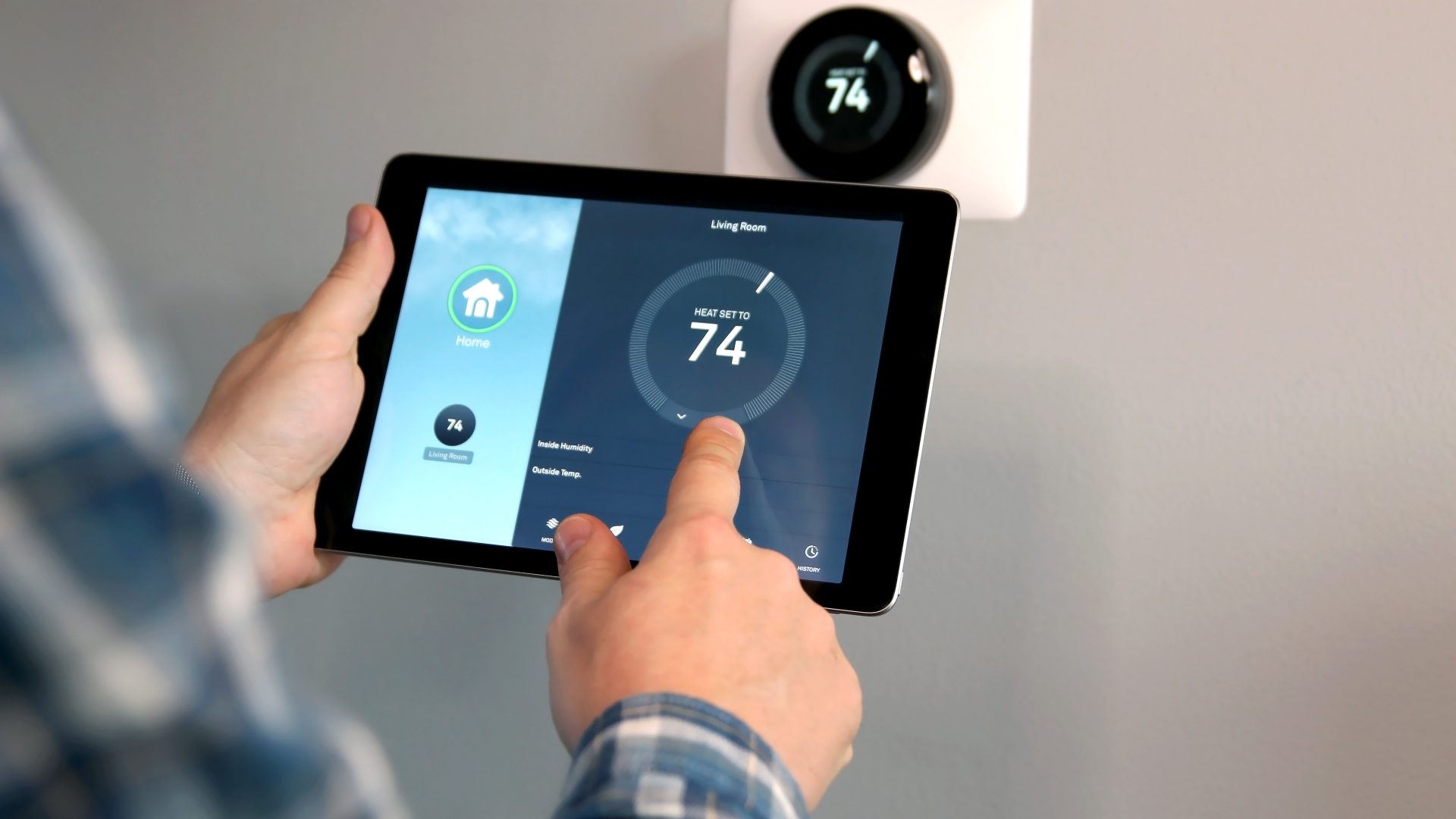
What are the types of residential thermostats?
There are several different types of residential thermostats available, including: Mechanical thermostats: These are the most basic type of thermostat, and use a bimetallic strip to sense the temperature and control the heating and cooling system. Electronic thermostats: These thermostats...
How does a residential thermostat work?
A residential thermostat is a device that is used to control the heating and cooling system in a home. The thermostat is typically mounted on a wall in a central location in the home, and uses sensors to measure the...
What are the main components of a residential HVAC system?
A residential HVAC (heating, ventilation, and air conditioning) system typically consists of a furnace or air handler, an air conditioner, a thermostat, and ductwork to distribute heated or cooled air throughout the home. The furnace or air handler is responsible...
What makes a ductless mini-split energy efficient?
Ductless mini-split systems are considered to be energy efficient for a few reasons. First, because they don't rely on ductwork to distribute heated or cooled air, they can be more efficient than traditional HVAC systems, which can lose a significant...
