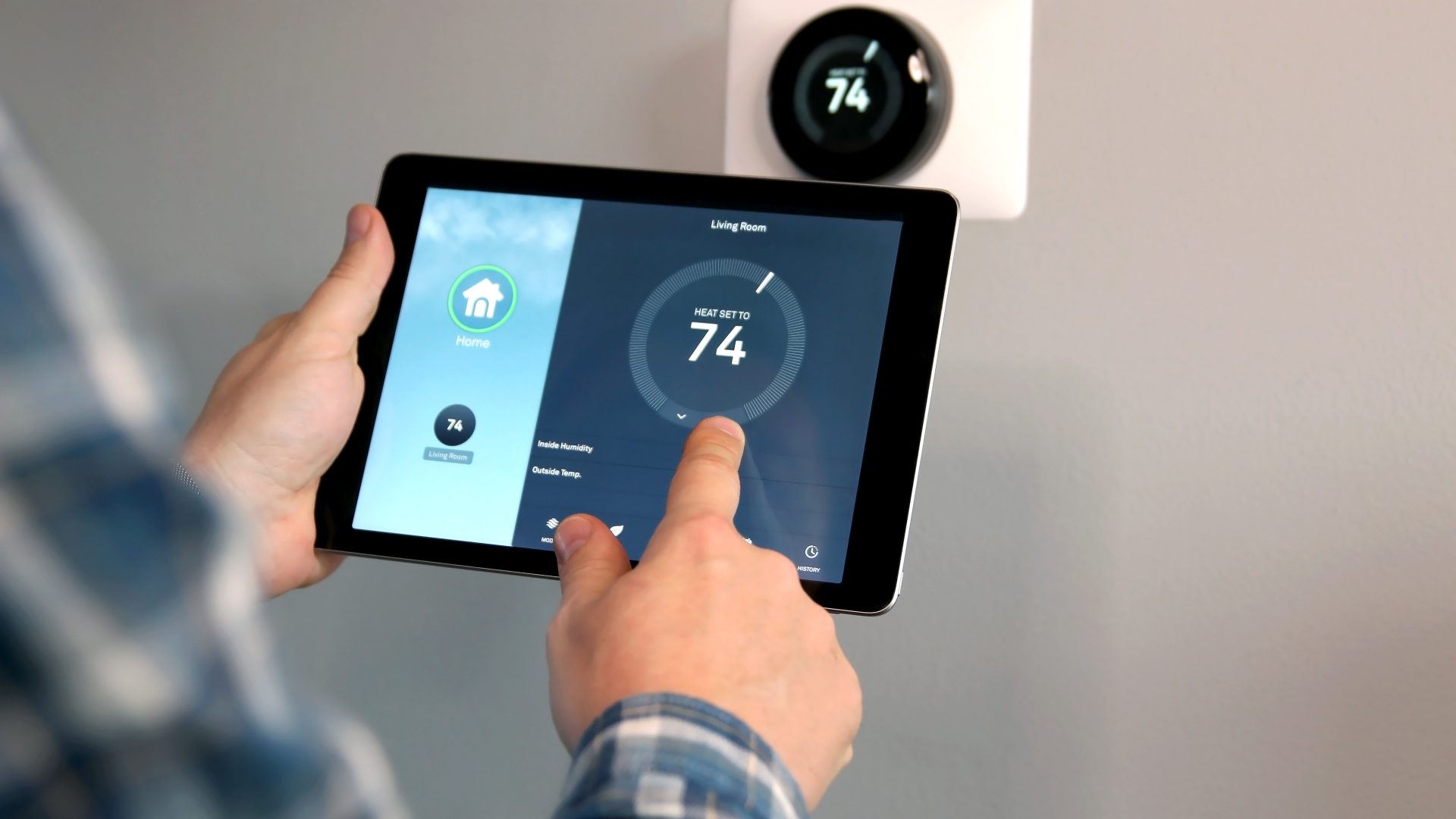

What are the types of residential thermostats?
There are several different types of residential thermostats available, including: Mechanical thermostats: These are the most basic type of thermostat, and use a bimetallic strip to sense the temperature and control the heating and cooling system. Electronic thermostats: These thermostats...
How does a residential thermostat work?
A residential thermostat is a device that is used to control the heating and cooling system in a home. The thermostat is typically mounted on a wall in a central location in the home, and uses sensors to measure the...
What are the main components of a residential HVAC system?
A residential HVAC (heating, ventilation, and air conditioning) system typically consists of a furnace or air handler, an air conditioner, a thermostat, and ductwork to distribute heated or cooled air throughout the home. The furnace or air handler is responsible...
What makes a ductless mini-split energy efficient?
Ductless mini-split systems are considered to be energy efficient for a few reasons. First, because they don't rely on ductwork to distribute heated or cooled air, they can be more efficient than traditional HVAC systems, which can lose a significant...
What is better a copper or aluminum HVAC condensing coil?
The choice between a copper and an aluminum HVAC condensing coil generally depends on the specific application and the desired performance characteristics. In general, copper is a better conductor of heat than aluminum, which makes it more efficient at transferring...
Does my hvac system need to be cleaned?
It is generally recommended to have your HVAC system cleaned every year or two to help maintain its efficiency and effectiveness. Over time, dust, dirt, and other debris can build up inside the system, which can reduce its ability to...
What does MERV mean?
MERV is an acronym that stands for "Minimum Efficiency Reporting Value." It is a rating system used to measure the effectiveness of air filters in removing contaminants from the air. The higher the MERV rating, the more efficient the air...
What is a residential air conditioning unit?
A residential air conditioning unit is a type of air conditioning system that is designed for use in a home. These systems are typically smaller and less powerful than commercial air conditioning systems, but they are still able to effectively...
What is a capacitor on a residential HVAC unit?
A capacitor is an electrical device that stores and releases electrical energy. In a residential HVAC system, the capacitor is typically used to help start the compressor and the blower motor. It stores a small amount of electrical charge and...
What does a residential air conditioning system do?
A residential air conditioning system is designed to provide cooling and dehumidification for a home. When the system is turned on, the compressor and condenser, which are located in the outdoor unit, start to operate. The compressor pressurizes the refrigerant,...
